There is a peculiar gap in modern wellness: extraordinary technologies for diagnosing what is wrong, and almost nothing systematic for maintaining what is right. We treat disease with precision and prevent it with vague advice — "eat better, exercise more, reduce stress."
Ayurveda fills this gap with Dinacharya: a precisely sequenced daily routine designed not to cure disease but to make disease less likely. A way of moving through each day that works with your body's natural rhythms rather than against them.
Practiced consistently, Dinacharya is arguably the most powerful preventive health intervention available. It is also, after several thousand years of refinement, remarkably practical.
What Is Dinacharya?
Dinacharya (Sanskrit: दिनचर्या) literally means "daily conduct" or "daily routine." In Ayurvedic medicine, it refers to a set of morning and evening practices designed to:
- Eliminate accumulated toxins (Ama) from the previous day before they are reabsorbed
- Activate the digestive fire (Agni) so that the day's food is properly metabolised
- Stabilise the nervous system before the demands of the day begin
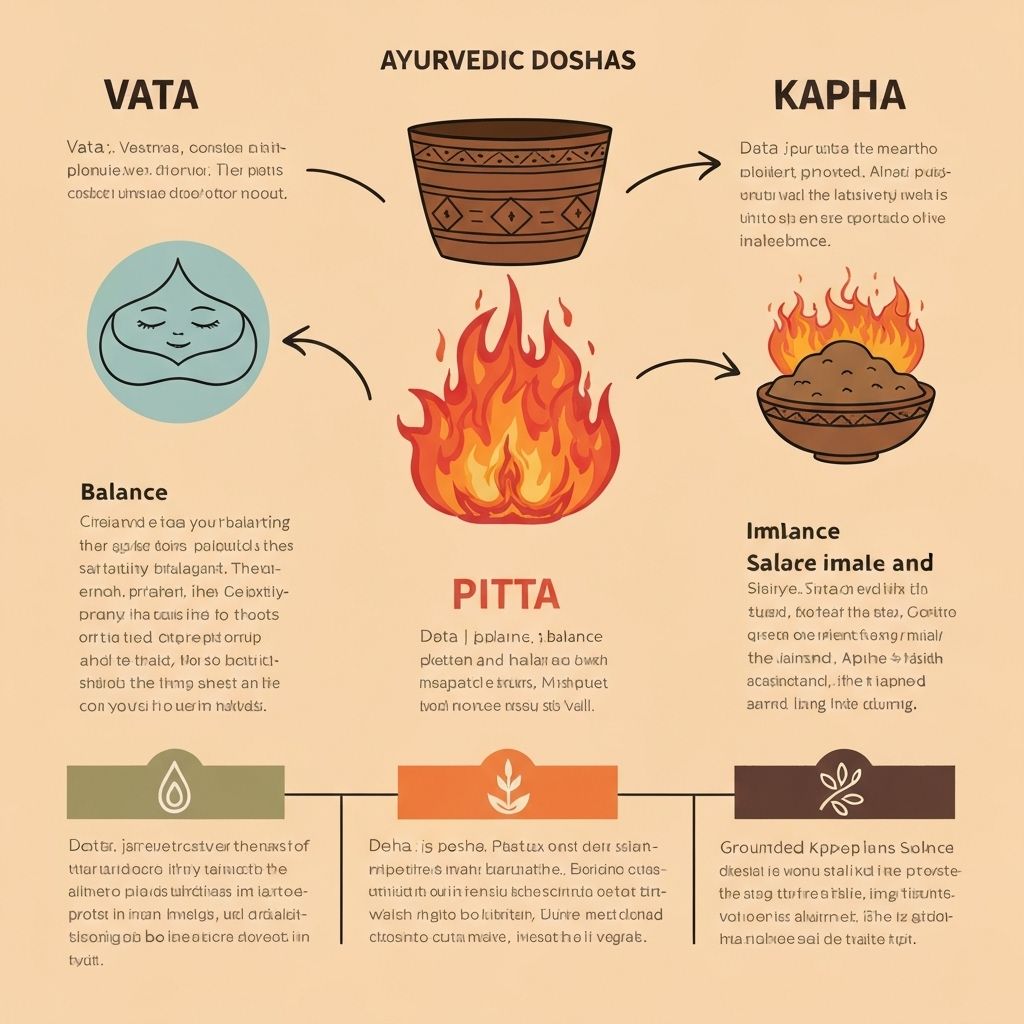
- Align the body with the doshic clock — the natural 24-hour cycle in which each dosha governs specific periods of the day
The classical texts — particularly the Ashtanga Hridayam and Charaka Samhita — dedicate entire chapters to Dinacharya. Far from being peripheral self-care advice, it was considered foundational medicine.
The Ayurvedic Clock: Why Timing Matters
One of the most clinically interesting aspects of Dinacharya is that it is not just what you do but when. Ayurveda divides the 24-hour day into six four-hour periods, each governed by one of the three doshas.
| Period | Dosha | Quality |
|---|---|---|
| 6 AM - 10 AM | Kapha | Slow, heavy, cool — ideal for movement and activity to overcome morning inertia |
| 10 AM - 2 PM | Pitta | Sharp, hot, intense — metabolic peak; strongest digestion; ideal for demanding work and the largest meal |
| 2 PM - 6 PM | Vata | Mobile, light, creative — mental quickness, communication, creative work |
| 6 PM - 10 PM | Kapha | Winding down; heaviness appropriate to preparation for sleep |
| 10 PM - 2 AM | Pitta | Internal metabolic work — tissue repair, liver detoxification, deep processing |
| 2 AM - 6 AM | Vata | Light, subtle, dream-rich; why waking naturally just before sunrise is considered ideal |
This framework has a direct practical implication: waking before 6 AM — before the Kapha period begins — means you rise in the lighter Vata phase and avoid the gravitational heaviness that makes getting out of bed feel so difficult. These are not arbitrary prescriptions; they align with modern chronobiology in ways that are striking given their antiquity.
The Core Dinacharya Practices
1. Wake Before Sunrise (Brahma Muhurta)
The ideal wake time in classical Ayurveda is Brahma Muhurta — approximately 90 minutes before sunrise, typically 4:30-5:30 AM depending on season and latitude. This is the sattvic (clear, luminous) window of the day.
For most modern people, a practical target is waking by 6 AM — before the Kapha period solidifies and makes rising feel laborious.
Dosha-specific guidance: Vata and Pitta types adapt well to early rising. Kapha types, though they feel the greatest resistance, benefit most from it.
2. Eliminate Before Doing Anything Else
Before drinking, eating, or practicing, the classical texts insist on natural elimination — allowing the body to complete the night's detoxification process through a bowel movement.
If elimination does not occur naturally upon waking, a glass of warm water — plain or with a few drops of lemon and a pinch of rock salt — will stimulate peristalsis.
3. Tongue Scraping (Jihwa Nirlekhana)
This is consistently the practice that produces the most immediate and visceral result for newcomers to Dinacharya — and it is the one most people continue permanently once they try it.
During sleep, the digestive system continues to process and the body continues to detoxify. This activity leaves a coating on the tongue — a layer of bacteria, dead cells, and metabolic waste that the classical texts identify as Ama (unprocessed toxins).
Method: Use a U-shaped tongue scraper in copper, stainless steel, or silver (not plastic). Hold both ends, place the scraper at the back of the tongue, and draw it forward with gentle but firm pressure. Rinse and repeat 5-7 times.
What to observe: The amount and colour of the coating is diagnostically useful. A thick white coat indicates Kapha accumulation; a yellow or greenish coat suggests Pitta involvement; a thin, brown, or grayish coat points to Vata.
4. Oil Pulling (Kavala / Gandusha)
Oil pulling — the practice of swishing oil in the mouth for several minutes — is referenced in both the Charaka Samhita and Sushruta Samhita as a remedy for maintaining oral health, strengthening the teeth and jaw, and clearing the sinuses.
Method: Take 1-2 tablespoons of sesame oil (traditional — most suitable for Vata and Kapha) or coconut oil (cooling — better for Pitta). Swish gently for 5-20 minutes. Do not swallow. Spit into the bin (not the sink).
5. Nasal Cleansing (Nasya)
The nose is, in Ayurvedic anatomy, the gateway to the brain and to Prana. The practice of Nasya — the application of oil to the nasal passages — lubricates the mucous membranes, prevents dryness, and clears accumulated Kapha from the sinuses.
Basic daily Nasya: Warm a few drops of sesame or brahmi oil. Tilt the head back slightly. Place 2-3 drops in each nostril and sniff gently.
6. Self-Massage with Warm Oil (Abhyanga)
Of all Dinacharya practices, Abhyanga — warm oil self-massage — may be the most transformative and the most dramatically underused in the West.
The classical texts describe Abhyanga as preventing aging, dispelling fatigue, improving sleep, promoting strength and vigour, and nourishing all body tissues. Modern research has documented its effects on the nervous system: daily oil massage reduces cortisol, decreases heart rate, and activates the parasympathetic nervous system.
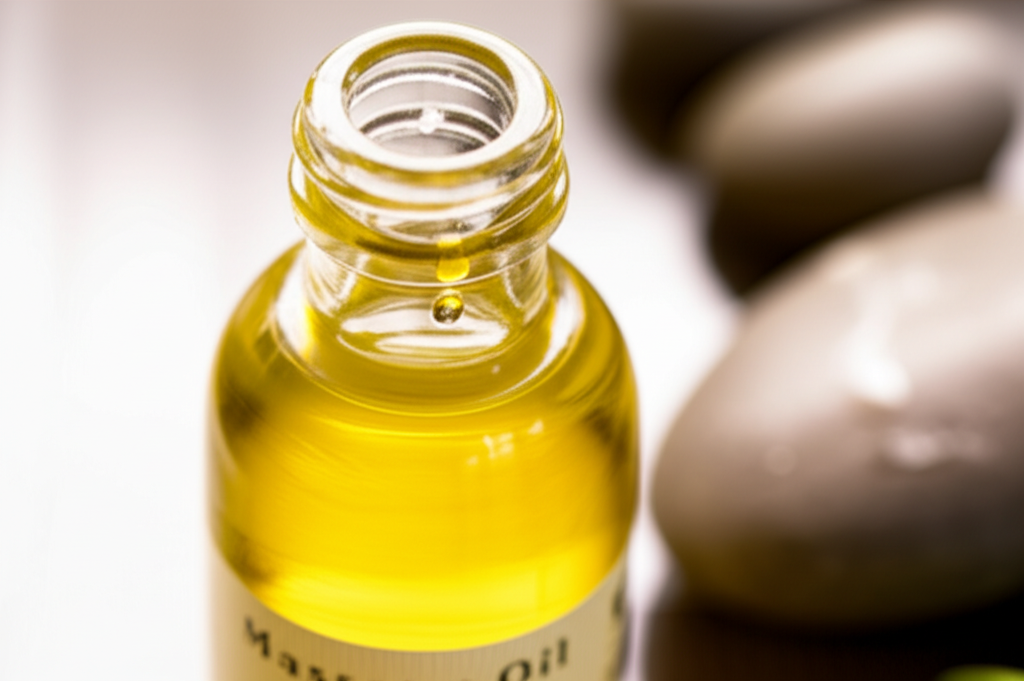
Method: Warm your chosen oil by placing the bottle in a bowl of hot water for a few minutes. Apply to the entire body, starting at the scalp and moving downward. Use long strokes on the limbs and circular strokes on the joints. Spend 5-15 minutes in the massage before showering.
Oil selection by Prakriti:
- Vata: Sesame oil (warming, heavy, grounding)
- Pitta: Coconut oil (cooling, anti-inflammatory) or sunflower oil
- Kapha: Mustard oil (stimulating, warming) or lighter sesame
7. Exercise (Vyayama)
Ayurveda prescribes exercise — but with a specificity that modern fitness culture entirely lacks. The classical standard is half-effort — exercise to the point at which you begin to perspire, your breathing deepens but you can still speak, and you feel energised rather than depleted.
By Prakriti:
- Vata: Gentle, grounding, rhythmic movement. Yoga, walking, swimming, tai chi.
- Pitta: Moderate to vigorous but non-competitive. Cycling, swimming, hiking.
- Kapha: Vigorous and stimulating. Running, high-intensity yoga, cycling, dance.
Morning exercise — before breakfast, in the Kapha period — is the classical recommendation for all types.
8. Breakfast — or Its Deliberate Absence
Ayurveda does not prescribe breakfast universally. The decision depends on Prakriti and, more importantly, on Agni — digestive fire.
Warm water upon waking (with or without lemon and ginger) is universally recommended before any food. It awakens the digestive system gently.
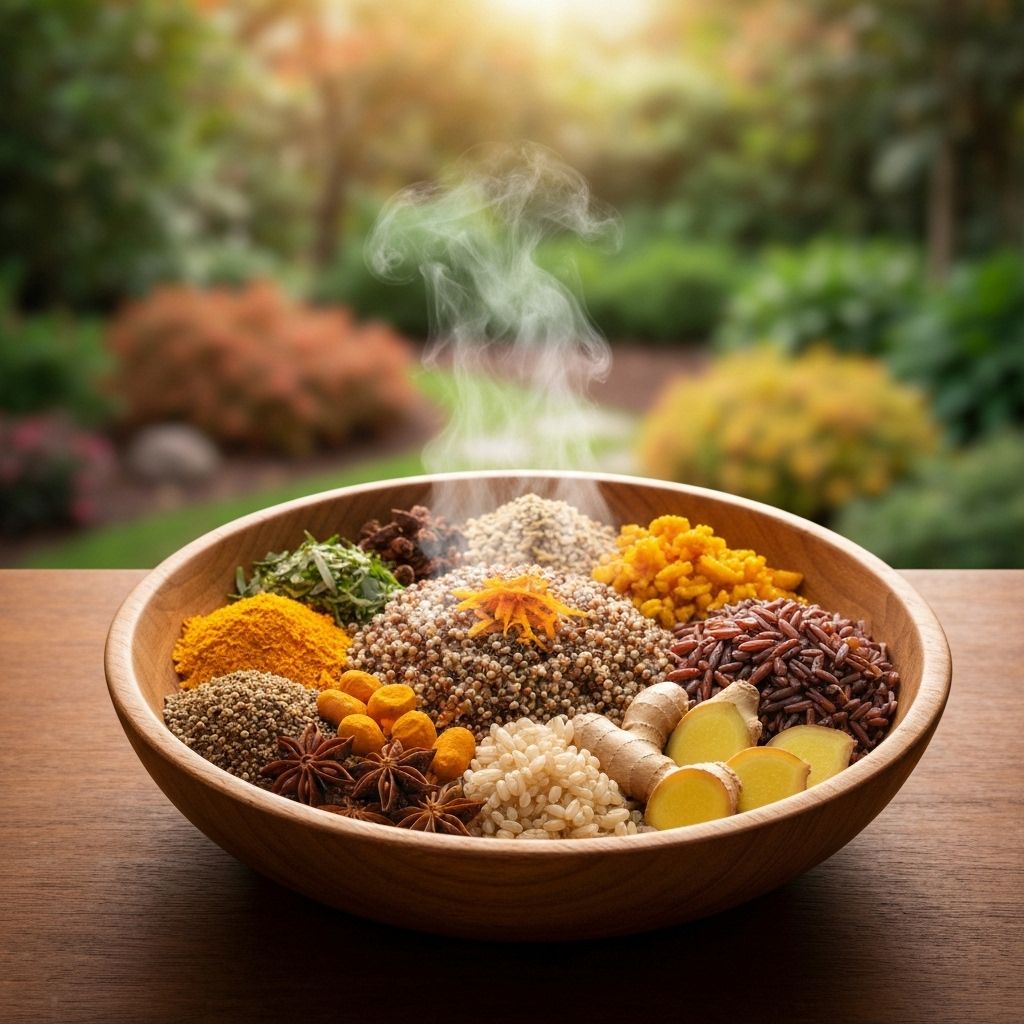
Breakfast, when eaten, should match Prakriti: warming and nourishing for Vata (oatmeal, warm rice, ghee), lighter and cooling for Pitta (fruit, cooling grains, dairy), and very light or absent for Kapha (warm ginger tea, light fruit, no heavy grains).
The Evening Routine: Winding Down With Intention
The morning practices receive most attention, but the evening routine is equally important — because it determines the quality of the sleep that makes morning recovery possible.
Key evening Dinacharya practices:
- Eat the evening meal before sunset — or at least 2-3 hours before sleep
- Reduce screen and light exposure after sunset. Blue light suppresses melatonin
- Warm milk with ashwagandha, nutmeg, and cardamom 30 minutes before bed is a classical Vata-soothing practice
- Brief walking after dinner (10-15 minutes) aids digestion
- Oil on the soles of the feet (Padabhyanga) before sleep is a powerful nervous system practice
- Sleep before 10 PM — before the second Pitta period activates and the mind re-engages
Building Your Personal Dinacharya
The full classical Dinacharya can feel overwhelming if approached all at once. The effective method is layered implementation — adding one or two practices at a time.
A suggested sequence:
Week 1-2: Tongue scraping + consistent wake time Week 3-4: Add warm water upon waking + early evening meal Week 5-6: Add Abhyanga 3x/week Week 7-8: Add structured morning movement (even 15 minutes) Month 3+: Add oil pulling, Nasya, full daily Abhyanga, and refine timing
The objective is not perfection. A partial Dinacharya practiced consistently is vastly more beneficial than a complete one practiced intermittently.
Build your personalised Dinacharya on Vashist The Vashist Dinacharya Builder creates a customised morning-to-night routine based on your Prakriti scores, local sunrise time, and lifestyle constraints. It tracks your consistency, sends reminders, and adapts as your Vikruti changes seasonally. Explore the Dinacharya Builder
Frequently Asked Questions
Do I need to do every practice every day? No. Even two or three consistent practices produce meaningful results. Prioritise by what your constitution most needs: Vata types should prioritise routine, Abhyanga, and consistent sleep timing. Pitta types should prioritise cooling and moderated exercise. Kapha types should prioritise early rising and vigorous morning movement.
Is there an Ayurvedic Dinacharya that works with a full-time work schedule? Absolutely. The modern adaptation focuses on the non-negotiable keystone practices — consistent wake time, tongue scraping, warm water, and exercise — and builds from there. Many people complete a meaningful morning routine in 25-30 minutes.
My Prakriti is dual-doshic. Which dosha's routine should I follow? Start with the dosha that is currently more aggravated (your Vikruti will reveal this). Once balance is restored, follow the guidelines for your primary constitutional dosha.
Does Dinacharya change with the seasons? Yes — this is Ritucharya (seasonal routine), a related classical concept. The baseline Dinacharya is constant; specific practices are added, removed, or intensified based on the season's dominant dosha.
Continue Your Learning
- The Complete Guide to Vata, Pitta, and Kapha Doshas
- What Is Prakriti? Your Constitutional Blueprint
- Discover Your Dosha — Take the Free Quiz
This article is for educational purposes and does not constitute medical advice. For personalised clinical guidance, consult a qualified Ayurvedic practitioner.
Ready to discover your constitution?
Take the free Prakriti Quiz and get personalised Ayurvedic recommendations for your unique dosha type.
Take the Free Quiz